The power of a design system
Picture this: you are working with a team on a new campaign page. The deadline is approaching, the pressure is rising. And then that question comes up again: “Which button style do we actually use here?” Or worse: you discover that the blue tint on the homepage is slightly different from the rest of the site. For teams building growth with digital assets, whether through websites, landing pages or HubSpot templates, this is familiar chaos. It costs time, causes frustration and it does not look professional. The solution? A well thought out design system.
What is a design system?
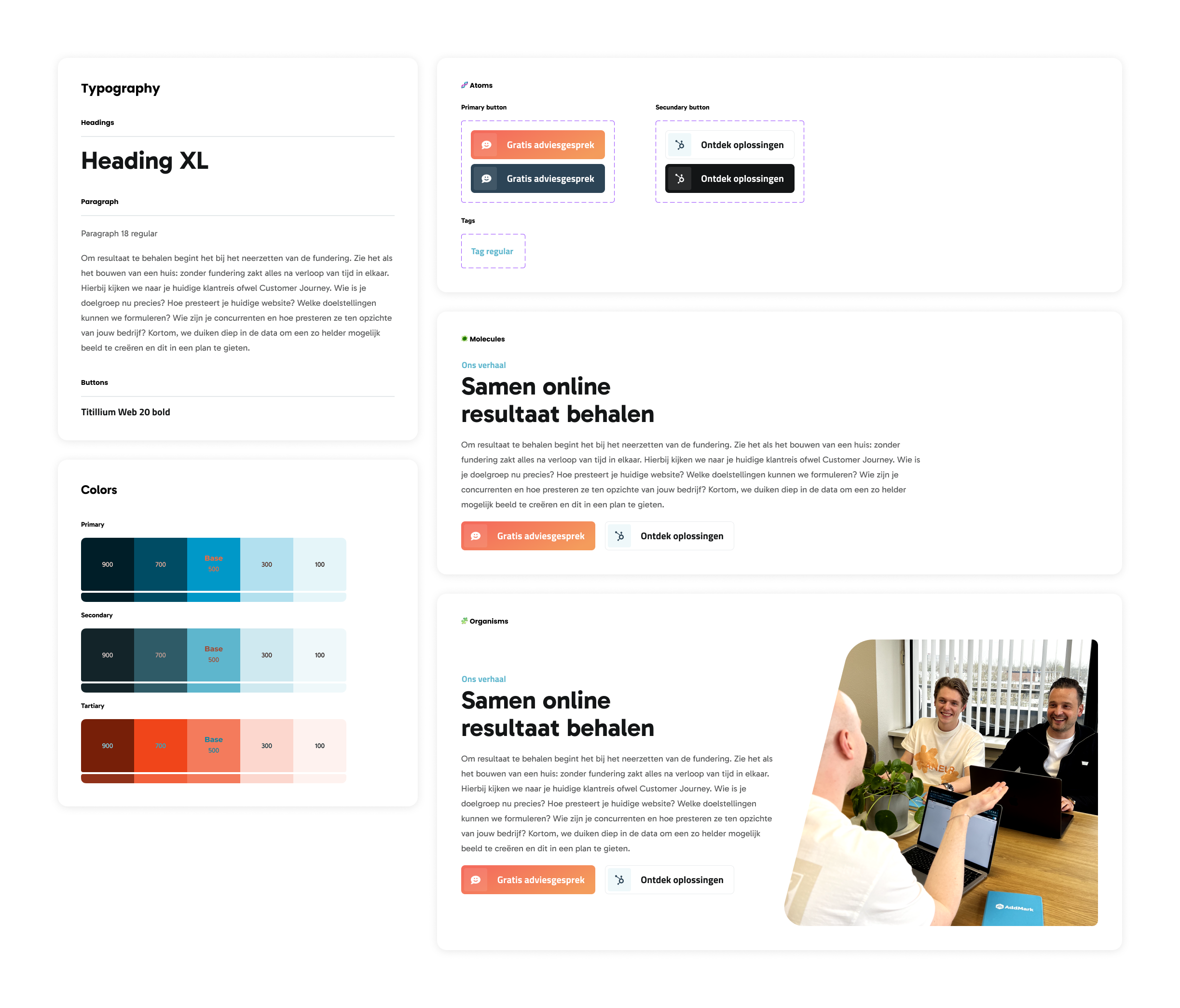
A design system is a collection of visual and functional agreements. Think colours, typography, button styles, layout rules and components, captured in a system that is put together intelligently. The idea is simple: you set the foundation once, so you can reuse it time and again. Not because you want to be boring, but because you want to stay in control, of how something looks, how it works and how quickly it can be built. And that delivers more than just clarity. Because the wheel does not need to be reinvented every time, processes run more smoothly and you save a huge amount of time. Time you can then use to genuinely take your digital products to the next level.
At Behaav we noticed this straight away. The design system was rock solid, which meant feedback rounds became not only shorter, but also more substantive. Instead of discussions about buttons and colours, we could focus on what really matters: the visitor's experience. That is exactly where a good design system makes the difference.
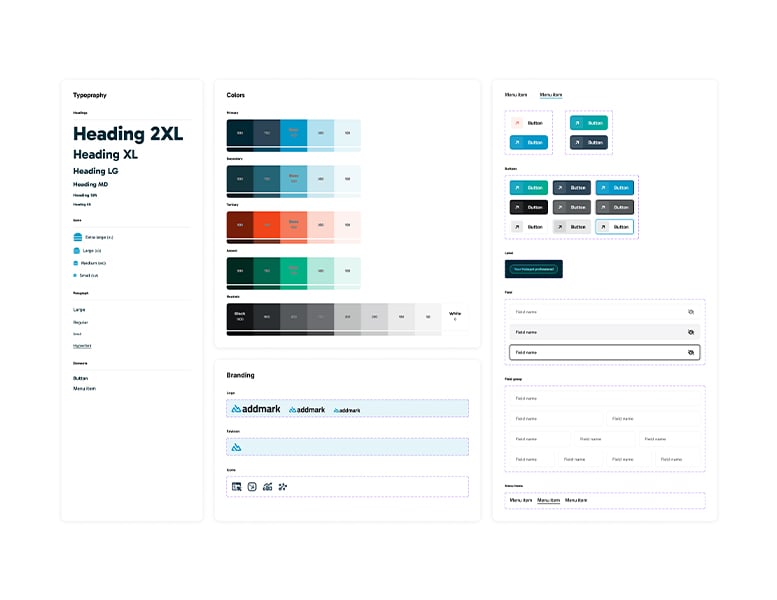
The building blocks of your design system
A design system stands or falls with its components: predefined building blocks you can reuse endlessly. Think of a menu structure for desktop and mobile, an image and text module, a form, a calendar or a call-to-action button. By working with fixed components, you do not need to rethink spacing, colour use or interactions every time. Everything is already well thought out, documented and tested.
We saw that in practice, for example at Groosman. By investing in a solid design system from the start, we were able to move quickly. Everyone worked with the same building blocks, which kept designing and development clear and efficient. Within four weeks the entire design was technically on the table, including the right modules, colours and typography.
And even after going live, the system proved its worth: a new module or a colour change? Sorted within a few days, because those changes are automatically applied everywhere the component is used. That is the power of a well built design system: efficiency without compromising on quality.
The benefits for your organisation
1. Move faster, without compromising on quality
Once your digital foundation is in place, you can pick up the pace. Whether it is a new landing page, an email template or a HubSpot module, you build faster and more consistently. You no longer need to make fresh choices about appearance or behaviour every time. You use what already works.
2. One change, everything up to date
A strong advantage of a well set up design system: it is connected. So if you decide that a particular text style, button style or colour needs to change, you do not have to do that manually in twenty places. One change in the system is enough, everything adjusts. That saves time, prevents errors and ensures all your output always stays in line with your brand and way of working.
3. A system that grows with your business
What works today may look different tomorrow. A design system gives you the flexibility to adapt and expand without having to start over. You make smart choices upfront, so you can move faster in the long run.
4. Efficient collaboration between teams
A design system does not only provide structure for designers. It also helps developers, marketers, content creators and project leads. Everyone works with the same building blocks. This creates a shared rhythm and makes handover moments smoother. You no longer need to explain why a particular button is built the way it is. Or what the standard spacing is between blocks. It is all fixed. And that makes collaboration simpler and more enjoyable.
What does it deliver?
A design system is not a goal in itself, but a means that makes a difference in practice every day. You notice it in the calm of your work process. In how easy it is to set up a new page, without having to rethink layout or structure. Review rounds get shorter, quality stays consistent, and the team can move faster. Whether you are working on a campaign, an onboarding flow or a series of emails: everything feels logical, recognisable and professional. And perhaps most importantly: you stay in control of your brand while picking up the pace.
Inspiration from practice
The benefits might sound almost too good to be true. Fortunately, there are plenty of big names that show it really works. Companies such as Adobe, Google and Atlassian have now set up their design system so that design, development and content creation connect seamlessly. Their examples show what is possible when you get the foundation right: from scalability and speed to consistent brand presentation and more efficient collaboration. These examples make it clear: a design system is not a nice-to-have, but a foundation for growth.
With Spectrum Adobe has developed a powerful design system that bridges design and development. They use so called “design tokens”: standardised values for things like colours, spacing and typography. This means every visual element can be translated directly into code and therefore into scalable products. This shows how a design system is carried not only visually, but also technically.
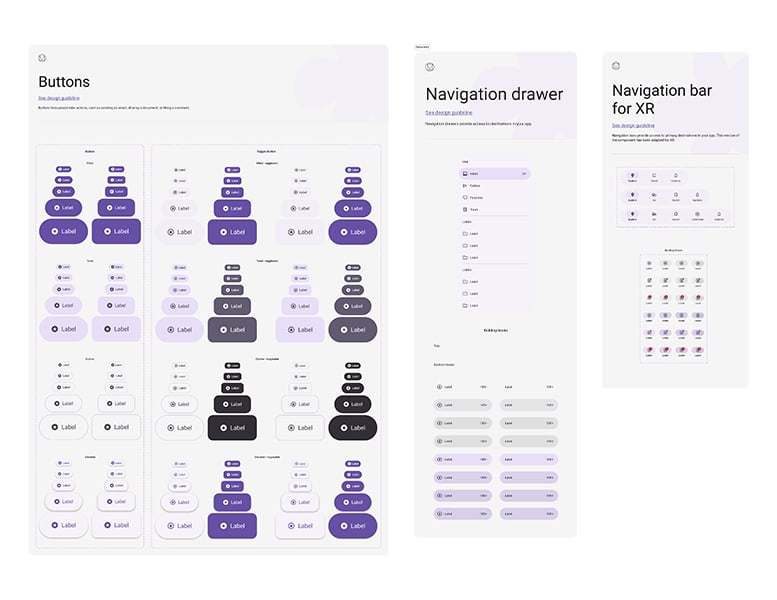
Google's Material Design is perhaps the best known example. It offers an extensive library of components and patterns you can use directly in Figma or code. Ideal for teams that want to work at scale.
Atlassian (behind Jira and Trello, among others) has built a complete and detailed design system. A component is available for virtually every element. This provides speed, clarity and collaboration without endless alignment.
Want to know how HubSpot can help you?