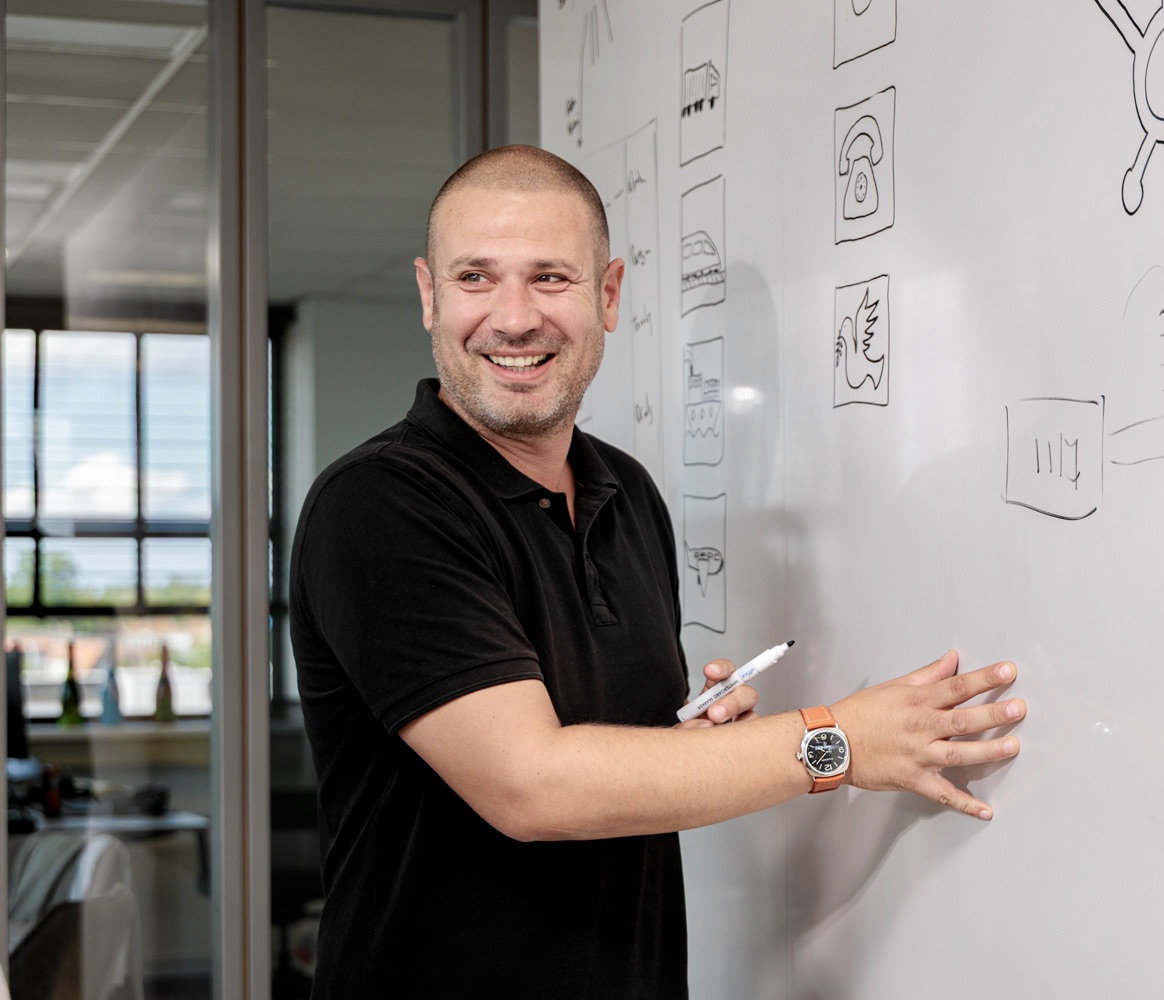
Service staff who make dissatisfied customers visible, instead of keeping them away.
A shared mailbox never tells you how your customers are really doing. We train service staff in groups of 5 on working with tickets, SLA discipline and an NPS loop that also gets followed up. That way a dissatisfied customer becomes visible at the moment you can still do something about it. Two weeks of parallel support after the session on the first real NPS batch.
- ✓ Groups of 5 on your own tickets and SLAs
- ✓ NPS loop and feedback cadence on paper
- ✓ 2 weeks of parallel support on the first NPS batch
- ✓ Workbook with ticket templates and SLA spec
First we look at how the service team works now.
How do customer queries come in, how are they handled, what do you see or not see in reports. We build the training on that, not on a generic Service Hub manual.
What we ask before we schedule a session:
- ✓ How many service staff, which channels (email, phone, chat)?
- ✓ Which SLAs are there, and how are they measured?
- ✓ Is there an NPS or CSAT measurement, and is it followed up?
- ✓ Who currently spots a dissatisfied customer, and how?
- ✓ Which behaviour really needs to be different after the training?
Then we choose the modules that your service team needs.
A new service team has different priorities than a team that has worked with tickets for years but without a feedback loop. We build on what comes up in the intake and split into cohorts of 5 per channel or segment.
Ticketing and pipelines
Creating, escalating and closing tickets. How to use ticket pipelines for different channels or customer segments without it getting messy.
SLAs and routing
Setting up, measuring and monitoring SLAs. How to route tickets by type, segment or urgency. And what to do when an SLA is about to breach.
NPS, CSAT and feedback
Setting up and following up a feedback loop. How to measure NPS or CSAT, who reads the responses, and how to spot churn risk before it becomes a cancellation.
Online, on site or a combination.
Service teams often work from different places, so online sessions are often practical. A day on site helps to reset habits and build rituals together.
Online
Via Teams or Zoom, sessions of 90 to 120 minutes with screen sharing on your own Service Hub. Good for distributed and hybrid service teams.
- Up to 12 participants per session
- Recording plus workbook afterwards
On site
At your office, half a day or a full day. Workshop format with live practice on real tickets and case studies from your own customers.
- Up to 15 participants per day
- We bring practice cases
Hybrid
Kick-off on site, follow-up sessions online between normal service shifts. Plus coaching on the first real NPS report.
- Mix of group and 1-on-1
- Coaching between sessions
Service that is steerable and measurable.
Concrete actions for your service team. No vague "customer focus", but an NPS loop that holds up and an SLA that is actually measured.
Yoni designs, Kim trains.
For service team training you work with Yoni and Kim. Yoni builds the curriculum, Kim stands in front of the group and coaches on tickets and NPS follow-up.
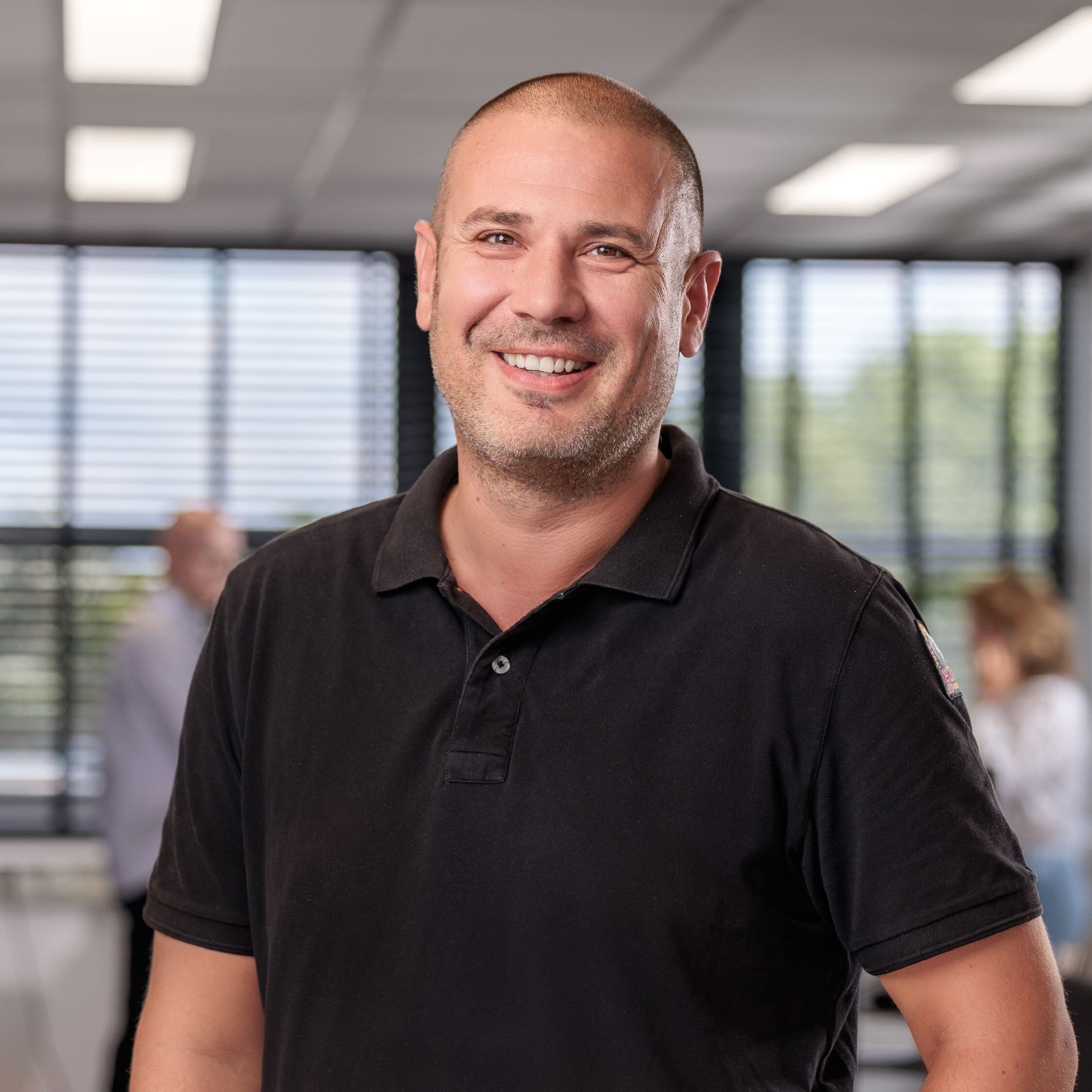
Yoni Lammens
Strategist & training architectDoes the intake and designs the curriculum. Makes sure ticketing and customer health come under one approach, instead of separate trainings.
LinkedIn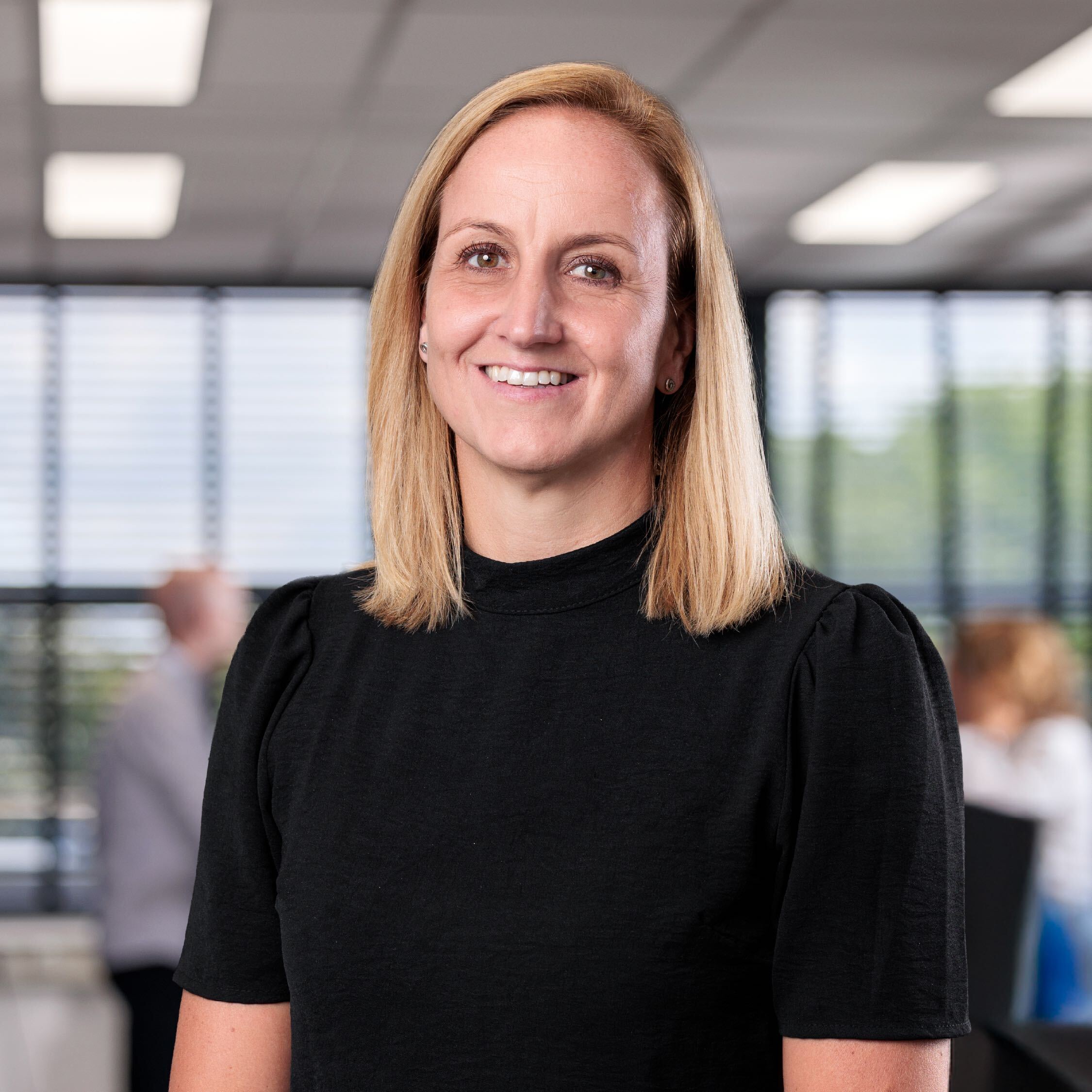
Kim Loonen
Consultant & trainerStands in front of the group, runs hands-on sessions on your own tickets and SLAs, and coaches service staff on the first real NPS loop after the training.
LinkedInOur prices are bespoke.
Our services are bespoke. Many customers choose an ongoing RevOps-as-a-Service retainer in which strategy and execution come together. Schedule a call and we will make a quote for your situation.
What customers usually ask.
Ready to make dissatisfied customers visible before it is too late?
Schedule a short intake. We listen in, look at which modules are useful and give a fair price.